
How have household balance sheets changed post the pandemic? A descriptive analysis of household portfolios using CMIE’s Consumer Pyramid Household Survey Dataset

According to a report by Crif High Mark, microfinance loans overdue for up to 31-180 days increased from 2.1% in March 2024 to 2.7% in June 2024. While there could be several supply-side factors at play for the rise in defaults, in this blog we direct our attention to reviewing the household side of the story by assessing the changes in household balance sheets post the COVID-19 pandemic.
Need a more flexible AePS environment

While the Aadhaar Enabled Payment System (AePS) has emerged as the foundational technology enabling cash-in cash-out (CICO) across the country, efforts by bad actors to defraud banking customers through it continue to be a pressing concern
UPI’s democratised cashless payments but not grievance redressal

Medium-to-low digital proficiency users experience anxiety when they have to use in-app mechanisms to deal with problems. It has got to do with designs that do not account for user proficiency and expectations. A few changes could uplift the experience for all users
Could we be doing better with consent?

This blog presents a self-assessment checklist targeted at UI/UX designers and AA product managers, enabling them to surface gaps in the design of their consent artefacts especially in relation to the vulnerable customer.
Rethinking GRMs for UPI: Prototype Design
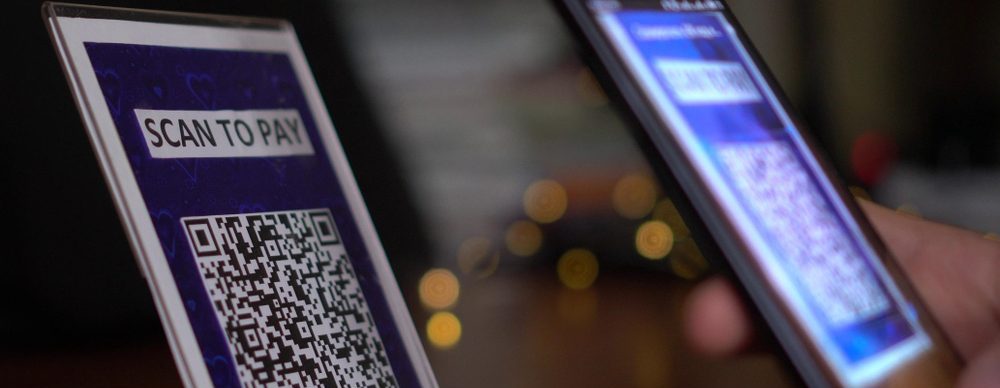
This is the second in a series of blogs which describe our efforts towards building an effective in-app GRM for India’s consumers
Field Notes: How constrained users engage with the GRMs of UPI Apps

This is the first in a series of blogs which describe our efforts towards building an effective in-app GRM for India’s UPI users
SEBI’s proposed changes can spruce up investment advisory regulations

The new proposals can significantly increase the number of RIAs by relaxing the requirement of having a Master’s degree and prior work experience and by lowering net-worth requirements.
Our Response to RBI Draft Directions for Comments on Due Diligence of AEPS Touchpoint Operators

In response to concerns of fraud perpetrated through the Aadhaar enabled Payments System (AePS), the RBI has issued (draft) directions to all banks and to the NPCI for onboarding and ongoing due diligence of AePS touchpoint operators.
Legal liability for fraud in digital payments

The framework should provide adequate compensation to victims, while investigative action continues in tandem
Assessing the Performance of PMJJBY and PMSBY: A Systems-Level Approach

The objective of this policy brief is to summarise learnings from fieldwork conducted in Rajasthan and Gujarat towards (i) building evidence on the customer protection issues in the sale and servicing of the two insurance schemes and (ii) bringing to the forefront the structural issues on the supply-side that are holding back Financial Service Providers (FSPs) from offering high-quality service in the context of these two schemes.