
From Periodic to Perpetual – Rethinking the process of KYC

This blog is based on the recent uptake in conversations on the reformation of the know-your-customer (KYC) process in the financial sector. We find the periodicity of the current KYC system to be of concern for various reasons. The periodic updates of KYC present a burden on the customer to validate themselves every few years, failing which they are at risk of being excluded from the financial system.
Unpacking Customers’ Trust: How do Customers come to Trust Digital Lenders?

By studying people’s instinctive, unguided ‘trust-decisions’, we hope to uncover their mental models of trust. More specifically, we aim to (i) articulate the expectations that customers have of trustworthy lenders, (ii) help lenders design their products in a manner consistent with the customer’s expectations, and (iii) translate these principle-level expectations into processes that lenders may adopt in their customer service to become trustworthy.
Reflections on the Theory of Impact for Mobile Instant Credit

Mobile Instant Credit (MIC) is rapidly growing as a financial inclusion tool, attracting policy and research interest. However, its impact remains understudied, with a weak Theory of Change. The blog highlights three overlooked impact areas and calls for insights from microfinance research.
Submission by Dvara Research to the Ministry of Finance as part of Pre-Budget Consultation with the honorable Finance Minister Nirmala Sitharaman, Jan 2nd 2025

The Government of India called for pre-budget consultations in early January 2025. Dvara Research was one of the invitees, and we are once again grateful to policy makers for reposing trust in our work. In the past as well, Dvara Research has been a partner and advisor of choice for key policy-making bodies in the country.
Curbing Scams in Unified Payments Interface
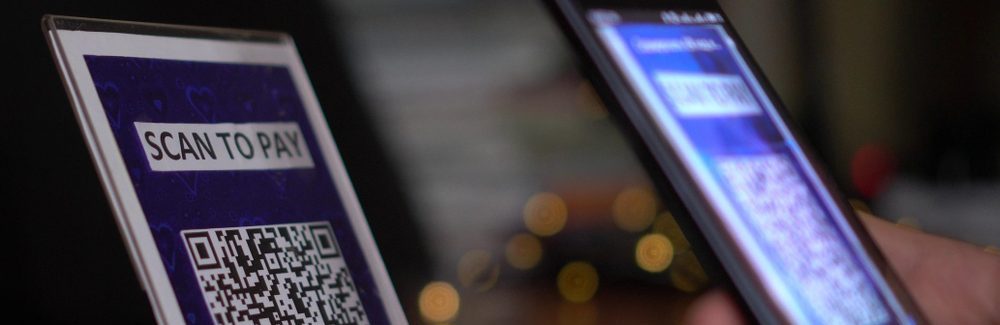
The white paper discusses a set of solutions for the ecosystem of actors to consider in tackling and curbing the illegitimate activity of scamsters and other fraudulent actors over the very popular Unified Payments Interface (UPI) of India.
Part 2 – Is lack of trust keeping customers away from digital financial services? – Understanding the contours of trust
In the first blog in our trust series, we laid down the contours of trust. In this blog, we attempt to unpack what the proximate grounds for trusting Digital Financial Services or DFS may be. Trust is the most cited motivator for the adoption of digital financial services or DFS (Kajol et al., 2022). Lack […]
Part 1- Is lack of trust keeping customers away from digital financial services? Understanding the contours of trust
This blog is the first in our trust series where we study trust in digital financial services. This blog attempts to lay down the conceptual contours of trust.
How mental models interplay with consent: Unpacking challenges to informed consent
This blog is about a behavioural study conducted jointly by Dvara Research and Final Mile to uncover mental models that may nudge customers to disengage with consent screens.
Understanding new-to-UPI users’ experiences with UPI-based digital payment apps
While the usage of UPI-based payments has been steadily increasing, the experiences of new-to-UPI users are relatively less examined.
Making UPI payments more customer-centric for new-to-UPI users
This study was conducted through a donation from WhatsApp Pay. All material created under this study is made available as a public good, accessible through this page.